Flywheel Video · Minnesota video production
Rochester, MN
video production.
A Rochester, Minnesota, patient or expert film needs an approach shaped around the person on camera. Flywheel Video develops the interview, plans and films approved supporting scenes, and edits an understandable story, with participant timing and the organization’s review responsibilities informing each stage.
Flywheel Film portfolio
See the approach
in finished work.
Flywheel Film’s patient-story examples provide references for participant-led preparation and distinct editorial roles, with each person’s account connected to appropriate context and approved supporting material.
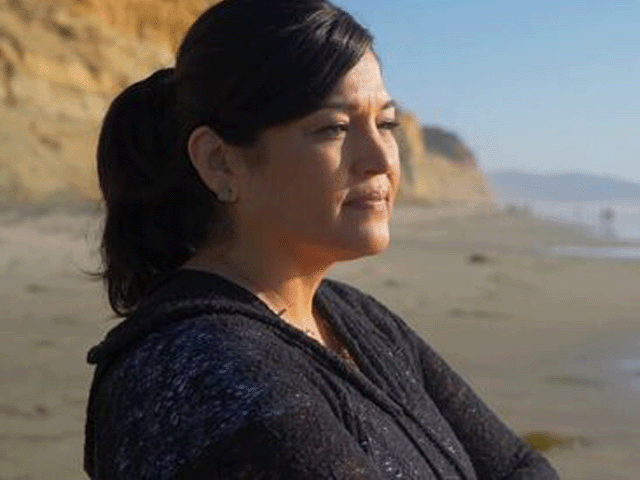
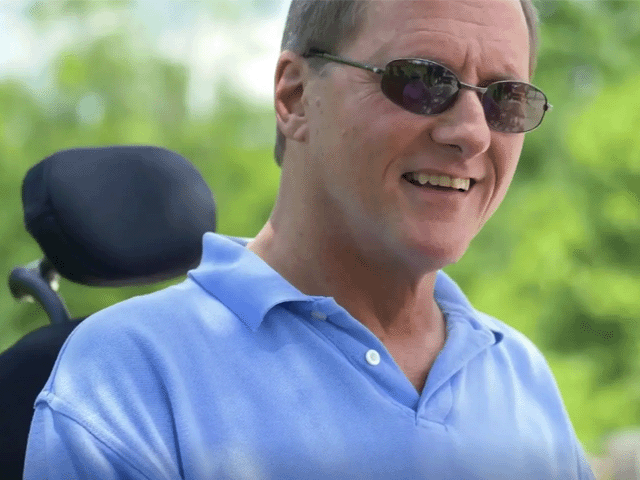
Selected projects by Flywheel Film, the team behind Flywheel Video. These examples show the production approach and scope; filming locations are described only where documented in the case study.
Local production planning
Protect the conversation and the participant’s schedule.
Explore Minnesota Film provides a state-level production resource and directory. For Rochester filming in a healthcare, research or other institutional setting, work with the property’s authorized filming contact as well. Specify the interview room, equipment route and any additional areas you would like to show; a general location resource does not establish access to a particular facility.
Explore Minnesota Film — state production resources ↗Access, sound,
and the filming day.
For a Rochester patient-story conversation, ask the client to define participant preparation, availability and any needs affecting the room or schedule. Keep setup separate from the interview window, with a place for breaks if the participant wants them. A clinical-looking background may not be necessary to explain an experience, so choose the environment around the story and the host’s access options. Supporting activities, documents and people in frame should be discussed in advance with the organization responsible for the location.
Planning example · illustrative brief
Hypothetical brief: a patient experience and an expert perspective
A healthcare team wants a Rochester participant to describe an experience alongside an expert’s explanation of a program. One possible brief plans the two conversations separately, with the client arranging participation and reviewing the interview themes. Approved supporting footage provides context without assuming access to care activity. The scope identifies who checks factual language and approves the finished content. If additional patient stories will be filmed elsewhere, the shared brief connects visual treatment and interview purpose while keeping each participant’s own account distinct.
From local capture
to final delivery.
We shape the Rochester film around the participant’s account, the expert explanation and the audience’s questions. Share general needs, the production contact and review structure without confidential health information in the website form. Our scope can include interview direction, filming and finished edits, with versions and factual checks planned alongside any related stories rather than added after recording.
Your production partner
Build around
your story.
Bring your Rochester project to Flywheel Video. From planning and filming through editing, we shape the production around your story, audience and finished film.
Browse all US production locations
Check current location guidance with the responsible office and property manager. The example above is a planning illustration, not a completed Flywheel project.
Provisional planning guidance
Let participant preparation guide the healthcare scope.
A Rochester patient-story film can involve a protected interview period, breaks and separately approved supporting activity. Reserve equipment setup outside the person’s window and define institutional access before estimating. Healthcare approvals and any expert contribution need producer review; a clinical-looking background is not a substitute for a complete description of the production requirements.
Interview filming
$2,500–$4,500USD planning range
One filming day at one location, with two interviews. Your team supplies the creative direction and handles the edit.
One finished interview film
$5,250–$9,500USD planning range
Creative planning, one filming day, two interviews and one two-minute film. No additional format versions.
A connected film series
$11,750–$21,500USD planning range
Creative planning, two filming days, four interviews, three main films totaling five minutes, plus two straightforward format versions.
Illustrative scopes based on Flywheel’s current estimating guidance. These are provisional planning ranges, not fixed packages, a booking or a final quote. Actual locations, hours, crew, rights and delivery requirements need Flywheel confirmation.
Assumptions and costs to confirm
Planning assumptions
- Starter USD planning allowances are working benchmarks, not a universal industry rate card or a final quote. Flywheel confirms the scope, crew, schedule and commercial terms.
- Creative planning assumes discovery, a story outline, interview themes and basic production preparation.
- Each production day assumes up to eight hours with a two-person interview or corporate production crew and a standard camera, basic lighting and sound package. Specialist equipment, extra crew and overtime need separate review.
- Routine location coordination and ordinary interview preparation are included in the planning and filming allowances; those calculator rows add no separate charge. Location changes can still increase filming time.
- Editing combines a base allowance for each distinct main film plus an allowance for the total finished minutes. The base alone is not the complete editing price.
- An additional version means reframing or a straightforward shorter cut from the approved main film. New concepts, languages, major restructuring or extensive graphics need separate review.
- Editing assumes two consolidated rounds of client feedback. Final review rounds, media handoff, source files, storage and licensing must be defined in the agreed scope.
- All visitor quantities are working assumptions. Unknown scope, complex requirements or specialist review terms can prevent an automatic numerical estimate.
Exclusions unless agreed in scope
- Travel and accommodation unless expressly included.
- Location fees, permits, talent and usage rights unless expressly included.
- Stock, music, third-party licenses and taxes unless expressly included.
- Specialist equipment, additional languages, animation, visual effects, broadcast and unusual access requirements unless expressly included.
- Additional filming, changed creative direction and new deliverables outside the confirmed scope.
Build a brief for your estimate
Compare these scopes with our production budget guide. Share your exact addresses, access arrangements and finished-video requirements so a producer can review the complete estimate.
Questions, answered
Plan your Rochester
production.
Resolve the location, capture and delivery questions before the filming day.
Does a patient story need to be recorded in a clinical room?
Choose the environment around the story, participant needs and the host’s available access. A comfortable, quiet room may be more useful than a clinical-looking backdrop. Discuss suitable backgrounds and supporting activity separately rather than assuming the subject matter requires filming in a treatment setting.
How do we plan the interview around requested breaks?
Ask the organization’s participant contact about availability and needs affecting the recording period, without requesting confidential details through the initial inquiry. Prepare equipment before the person arrives and allow an agreed place for breaks. Keep additional building moves separate from the participant’s essential conversation window.
Can we get a final patient-story quote from the public examples?
The examples are provisional planning scopes. Healthcare production needs a producer’s review of participation, access, approvals and any specialist requirements. Describe the general story and desired outputs first, then agree the appropriate process for sharing further information and confirming the actual scope and commercial terms.
What should separate the patient and expert sections in a brief?
Identify what each person is being asked to explain, their available windows and their relevant review contacts. Define the supporting images and factual context for each contribution. The final edit should preserve the difference between lived experience and expert explanation instead of blending their roles into one unqualified statement.
Let’s plan your Rochester production.
Prefer to talk? Call 646-420-3668