Healthcare & Patient Story Video Production
Personal stories.
A considered production plan.
Interview-led patient and healthcare content. Bring participant needs, filming locations and your organization’s review requirements into the scope from the beginning.
Plan around
the person on camera.
A patient-story project begins with people sharing their experience. Include preparation, availability and any needs affecting the filming environment or schedule in the brief.
We can scope interview capture and supporting footage, including stories in several cities. Identify your organization’s contacts for participant arrangements, content review and approval so production responsibilities are clear.
Define your scope
- Patient and healthcare interview planning
- Participant-focused location and schedule requirements
- Interview and supporting footage capture
- Multi-city filming for a connected story series
- Footage delivery or post-production defined in the scope
Plan the details
Give the review
process a clear place.
Specify who develops interview topics, verifies factual statements and approves the content. Include the versions, captions or language needs your organization requires.
Discuss participant permissions and location access through the appropriate project contacts. Use the initial website form for a general production brief; share confidential participant information through a process agreed with the team.
Relevant work from Flywheel Film
Experience behind
the conversation.
Flywheel Film filmed patient testimonials in four cities on both coasts for Eli Lilly and produced patient-story content throughout the US for Genentech. Its Blueprint Medicines profile includes patients, corporate staff and scientific researchers.
Related sources: Eli Lilly project · Genentech project · Blueprint Medicines project
Make the story and review responsibilities clear.
A patient story, a researcher interview and a company profile ask different things of participants. Identify the audience, the experience being discussed and who will develop and approve the interview themes. Include participant comfort and access needs in the schedule conversation.
- Describe the intended film without sending confidential patient details.
- Name contacts for participation, location access and content review.
- Identify supporting activities or environments suitable for filming.
- List captions, languages and audience-specific versions for the scope.
Agree whether Flywheel’s work ends with footage delivery or includes editing. Define review stages around the actual responsibilities of your organization and production partners.
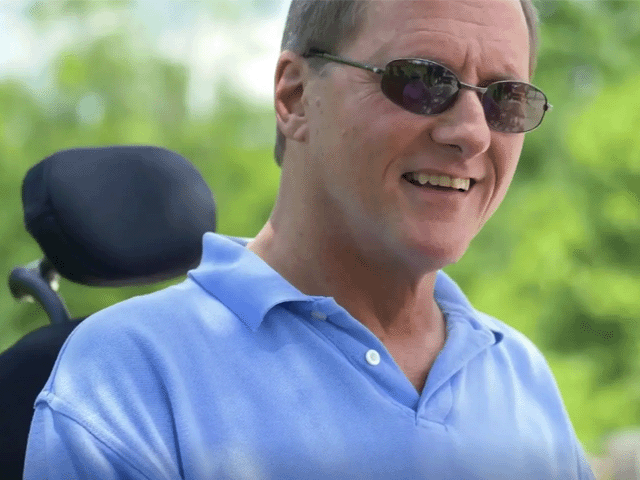
Flywheel Film’s Blueprint Medicines profile work documents testimonial filming with Edit 1. Jim’s patient story for Genentech is another interview-led example from the portfolio.
Before the shoot
Questions to settle before production
Who handles medical, legal and brand review?
Identify your organization’s reviewers and their approval points in the brief. Plan when they review questions, story structure and finished versions so their work is reflected in the schedule and scope.
What should we send through the initial form?
Send general production details: purpose, locations, participant types and intended deliverables. Arrange an appropriate process with the team before sharing confidential participant information.
Can our agency handle the edit?
Yes. Agree the visual treatment, recording requirements, media organization and editorial handoff with your agency before filming. The quote should identify the responsibilities retained by each team.
Let’s plan your next production.
Prefer to talk? Call 646-420-3668