Interview Video Production
A real conversation.
A story worth hearing.
Interview filming for customer stories, employee profiles, patient experiences and documentary content. Plan the questions, location and capture around your audience.
Start with what
the interview needs to reveal.
Useful interviews begin with a clear editorial purpose. Identify what your audience needs to understand, which experiences only this person can describe and what context the finished film needs.
We can help develop an interview approach, define the filming setup and capture supporting footage. Bring your own director and questions, or include those responsibilities in the production scope.
Define your scope
- Interview themes, preparation and question development
- Camera, lighting and location sound requirements
- Interview direction and supporting b-roll
- Footage for your editors or an agreed finished edit
- One interview, several subjects or a connected series
Plan the details
Plan for the person
and the edit.
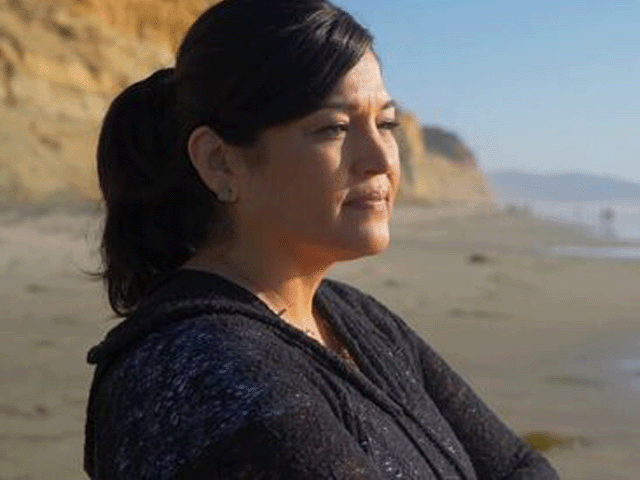
Include subject availability, room access and the time needed to prepare the space. Share visual references and discuss whether the speaker addresses an interviewer or the camera.
List the moments, locations and activities that can support the interview. Decide who will review the answers, identify useful sections and build the final story.
Relevant work from Flywheel Film
Experience behind
the conversation.
Flywheel Film’s portfolio includes patient testimonials for Eli Lilly and Genentech, and documentary portraits for NYC DYCD.
Related sources: Eli Lilly project · Genentech project · NYC DYCD project · Flywheel Film interview guide
Define what the interview should become.
A conversation, a selected excerpt and a finished story are different editorial tasks. Describe where viewers will see the work and what they should understand afterward. That helps shape the questions and the coverage needed beyond the speaker’s answers.
- Identify the interviewer and the person approving the story direction.
- List activities, objects or settings that can make the account concrete.
- Specify whether the handoff includes footage, an edit or both.
- Discuss transcripts, captions, graphics and additional versions individually.
Prepare speakers with the audience, themes and practical arrangements. Leave space for follow-up questions and details that emerge in conversation.
See Flywheel Film’s Center for an Urban Future production for a film pairing student and expert testimony; CUF credits Melissa Lent for scriptwriting and narration.
Before the shoot
Questions to settle before production
Do we receive footage or a finished film?
The proposal should name the deliverables: camera and audio files, an edited story or both. Media organization, transcripts and finished versions should each be identified in the scope.
Can our director lead the interview?
Yes. Agree who develops questions, conducts the conversation, approves the setup and reviews the edit so filming serves the shared creative brief.
How should we choose the interview room?
Share photos and explain room access, activity and potential noise. The filming plan should consider sound, background, lighting and space for the intended setup.
Let’s plan your next production.
Prefer to talk? Call 646-420-3668