Flywheel Video · Wisconsin video production
Madison, WI
video production.
Make a Madison, Wisconsin expert’s ideas understandable beyond their field. Flywheel Video develops educational, research or organizational interviews, films approved demonstrations and edits an accessible explanation, connecting specialist knowledge with a concrete audience need while giving terminology and factual review a defined place in the creative process.
Flywheel Film portfolio
See the approach
in finished work.
These research and healthcare portfolio examples offer references for organizing expert and experiential perspectives, useful when a Madison film needs to explain a specialist subject clearly without losing the distinctions that matter.
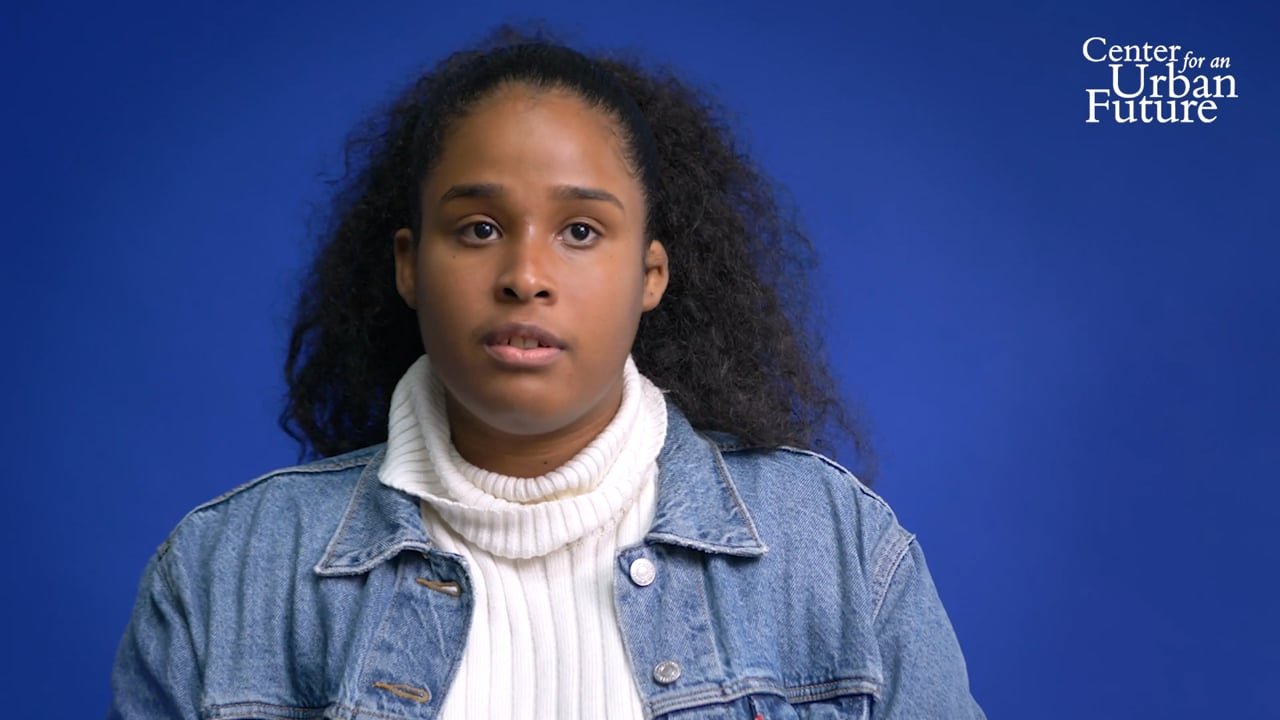
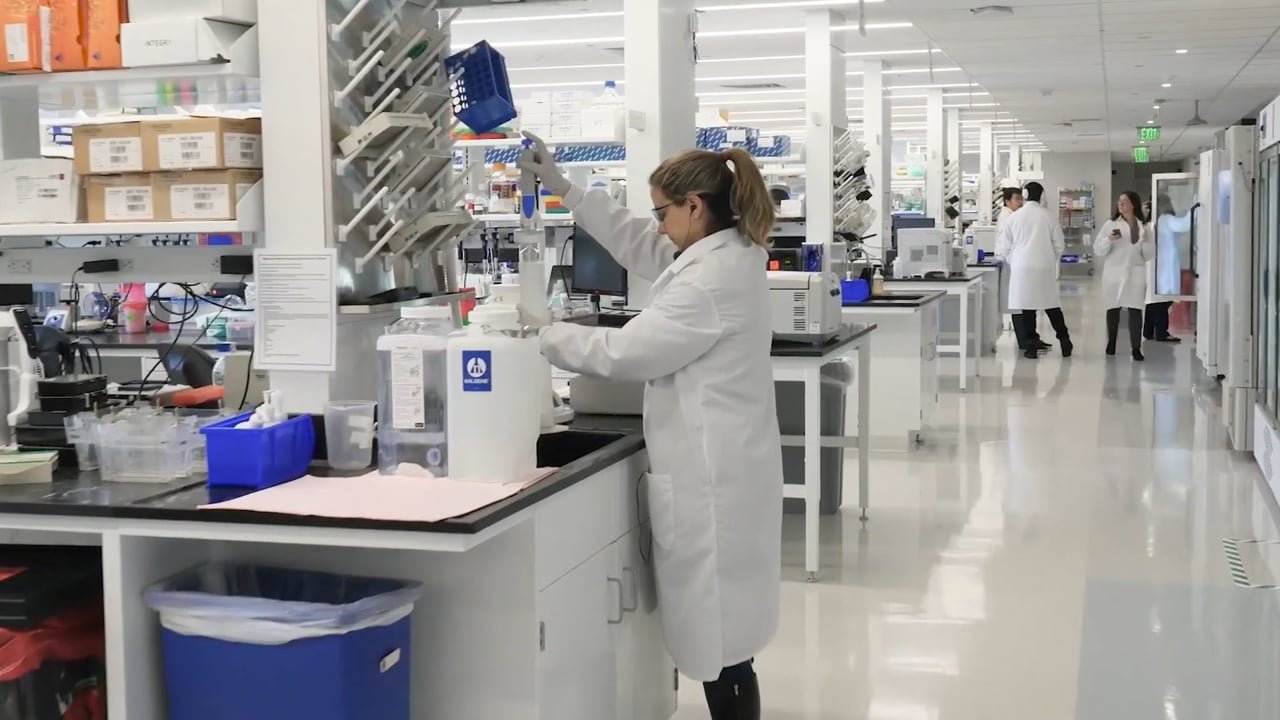
Selected projects by Flywheel Film, the team behind Flywheel Video. These examples show the production approach and scope; filming locations are described only where documented in the case study.
Local production planning
Identify the host institution and the actual filming areas.
Film Wisconsin offers statewide production resources and connections for shoot planning. For Madison, name the specific campus, workplace, or other property and describe any supporting activity beyond the interview room. Ask the host and appropriate local contact which areas can be used and who reviews equipment access, rather than treating a statewide resource as an authorization for institutional spaces.
Film Wisconsin — production resources ↗Access, sound,
and the filming day.
For a Madison campus or specialist interview, request a sound sample from the proposed room and identify nearby activity that might interrupt conversation. A demonstration space may explain the subject visually but still be unsuitable for dialogue. Ask the host to prepare approved materials and define what must remain off camera. Questions should connect the subject's expertise with a concrete audience need. Leave time to move between the interview and demonstration, and avoid asking participants to operate unfamiliar equipment or expose unpublished information simply to create more dramatic supporting footage.
Planning example · illustrative brief
A specialist explanation with an accessible visual sequence
A research organization wants a Madison specialist to explain an emerging project to prospective partners. The planning example records a plain-language conversation about the problem, the current approach, and what the team can substantiate. A demonstration selected with the host provides a sequence viewers can follow without needing technical background. The producer distinguishes present findings from future ambitions and notes terminology requiring review. The editor uses the interview as the narrative guide, adding explanatory labels only where useful. A subject-matter reviewer checks accuracy while one communication owner manages feedback about the film's structure and the intended audience.
From local capture
to final delivery.
Provide the Madison project explanation, audience, participant availability, host instructions and demonstration boundaries. Identify who reviews terminology, visible materials and factual statements. We can shape the questions, film the conversation and supporting process, and edit a clear explanatory film. Agree graphics, captions and publishing versions around what the viewer needs to learn, including any context supplied by related interviews.
Your production partner
Build around
your story.
Bring your Madison project to Flywheel Video. From planning and filming through editing, we shape the production around your story, audience and finished film.
Browse all US production locations
Check current location guidance with the responsible office and property manager. The example above is a planning illustration, not a completed Flywheel project.
Provisional planning guidance
Scope the expert explanation and the approved teaching sequence.
A Madison specialist film needs a speech-friendly room, a prepared demonstration and clear boundaries around unpublished or restricted material. Moving between campus or workplace spaces adds access and setup needs. Budget terminology review, approved graphics and publishing versions with the interview, keeping the audience's learning goal central rather than treating every available research activity as necessary footage.
Interview filming
$2,500–$4,500USD planning range
One filming day at one location, with two interviews. Your team supplies the creative direction and handles the edit.
One finished interview film
$5,250–$9,500USD planning range
Creative planning, one filming day, two interviews and one two-minute film. No additional format versions.
A connected film series
$11,750–$21,500USD planning range
Creative planning, two filming days, four interviews, three main films totaling five minutes, plus two straightforward format versions.
Illustrative scopes based on Flywheel’s current estimating guidance. These are provisional planning ranges, not fixed packages, a booking or a final quote. Actual locations, hours, crew, rights and delivery requirements need Flywheel confirmation.
Assumptions and costs to confirm
Planning assumptions
- Starter USD planning allowances are working benchmarks, not a universal industry rate card or a final quote. Flywheel confirms the scope, crew, schedule and commercial terms.
- Creative planning assumes discovery, a story outline, interview themes and basic production preparation.
- Each production day assumes up to eight hours with a two-person interview or corporate production crew and a standard camera, basic lighting and sound package. Specialist equipment, extra crew and overtime need separate review.
- Routine location coordination and ordinary interview preparation are included in the planning and filming allowances; those calculator rows add no separate charge. Location changes can still increase filming time.
- Editing combines a base allowance for each distinct main film plus an allowance for the total finished minutes. The base alone is not the complete editing price.
- An additional version means reframing or a straightforward shorter cut from the approved main film. New concepts, languages, major restructuring or extensive graphics need separate review.
- Editing assumes two consolidated rounds of client feedback. Final review rounds, media handoff, source files, storage and licensing must be defined in the agreed scope.
- All visitor quantities are working assumptions. Unknown scope, complex requirements or specialist review terms can prevent an automatic numerical estimate.
Exclusions unless agreed in scope
- Travel and accommodation unless expressly included.
- Location fees, permits, talent and usage rights unless expressly included.
- Stock, music, third-party licenses and taxes unless expressly included.
- Specialist equipment, additional languages, animation, visual effects, broadcast and unusual access requirements unless expressly included.
- Additional filming, changed creative direction and new deliverables outside the confirmed scope.
Build a brief for your estimate
Compare these scopes with our production budget guide. Share your exact addresses, access arrangements and finished-video requirements so a producer can review the complete estimate.
Questions, answered
Plan your Madison
production.
Resolve the location, capture and delivery questions before the filming day.
What should a Madison campus host check before selecting the interview space?
Record normal room sound and ask about nearby activity, ventilation and equipment access. A demonstration room may provide useful visuals while another space supports clearer conversation. Identify approved materials and excluded information in advance, with time to move between setups rather than using the expert's appointment for location decisions.
Can a Madison demonstration include research still in progress?
The host should define what can be shown and which findings or ambitions may be discussed. Prepare approved materials and keep operational decisions with the people responsible for the work. Do not rely on unpublished information to make a sequence more dramatic; the film's explanatory purpose can be scoped around the boundaries the institution provides.
How do we make a specialist interview useful to prospective partners?
Define the problem, the audience's starting knowledge and what the organization can substantiate. Prepare questions and a demonstration that make those points understandable. A Madison edit can use labels or graphics where helpful, with the subject-matter reviewer checking accuracy while one communication owner manages feedback about structure and intended use.
What should the estimate list for an educational explanation?
Include interview and setup counts, approved demonstrations, supplied assets, new graphics, captions and delivery versions. Identify terminology review and the person consolidating feedback. For a Madison film, those details make the learning goal and production work explicit, distinguishing the main explanation from additional teaching modules or promotional pieces requested later.
Let’s plan your Madison production.
Prefer to talk? Call 646-420-3668