Flywheel Video · Alaska video production
Juneau, AK
video production.
A Juneau, Alaska, organizational film can move between an office conversation and a waterfront workplace. Flywheel Video develops the story, plans filming at those specific addresses and edits each scene for a clear purpose, with participant availability and access shaping a workable production day.
Flywheel Film portfolio
See the approach
in finished work.
For a Juneau organizational story, these examples connect a person’s perspective with a wider program or research subject. Plan what the director can explain and which approved activity gives that account useful context.
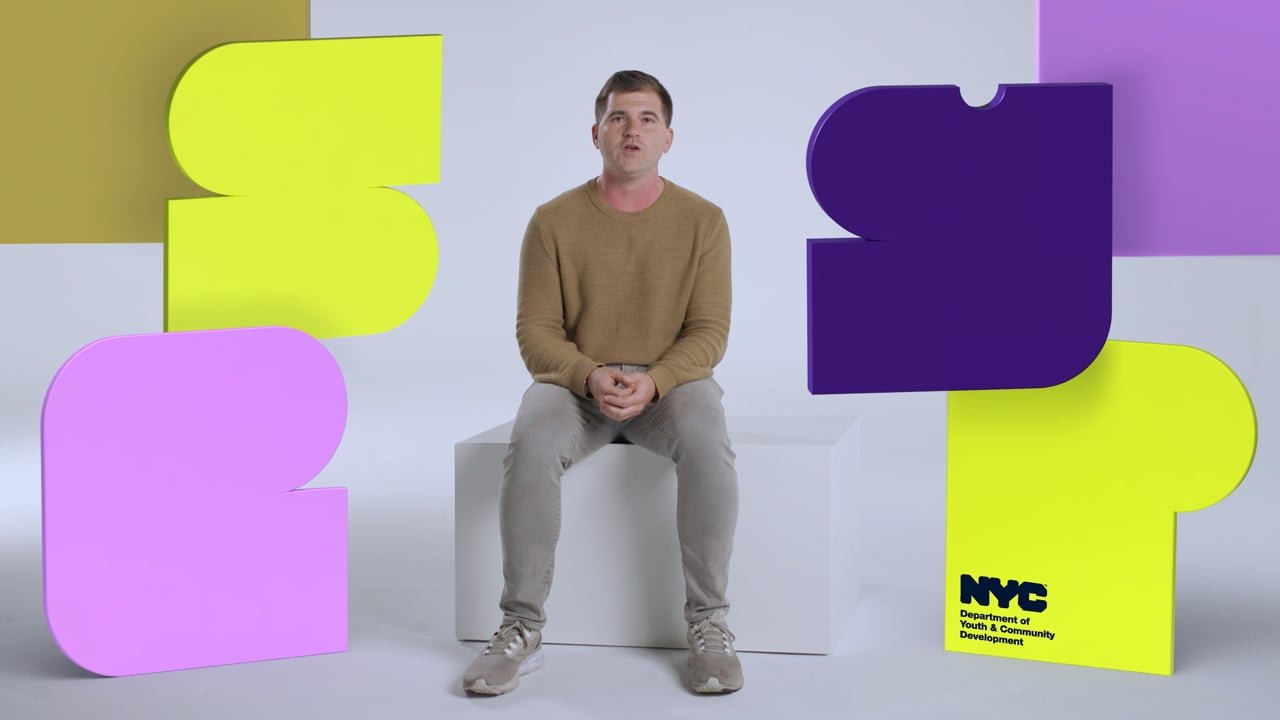
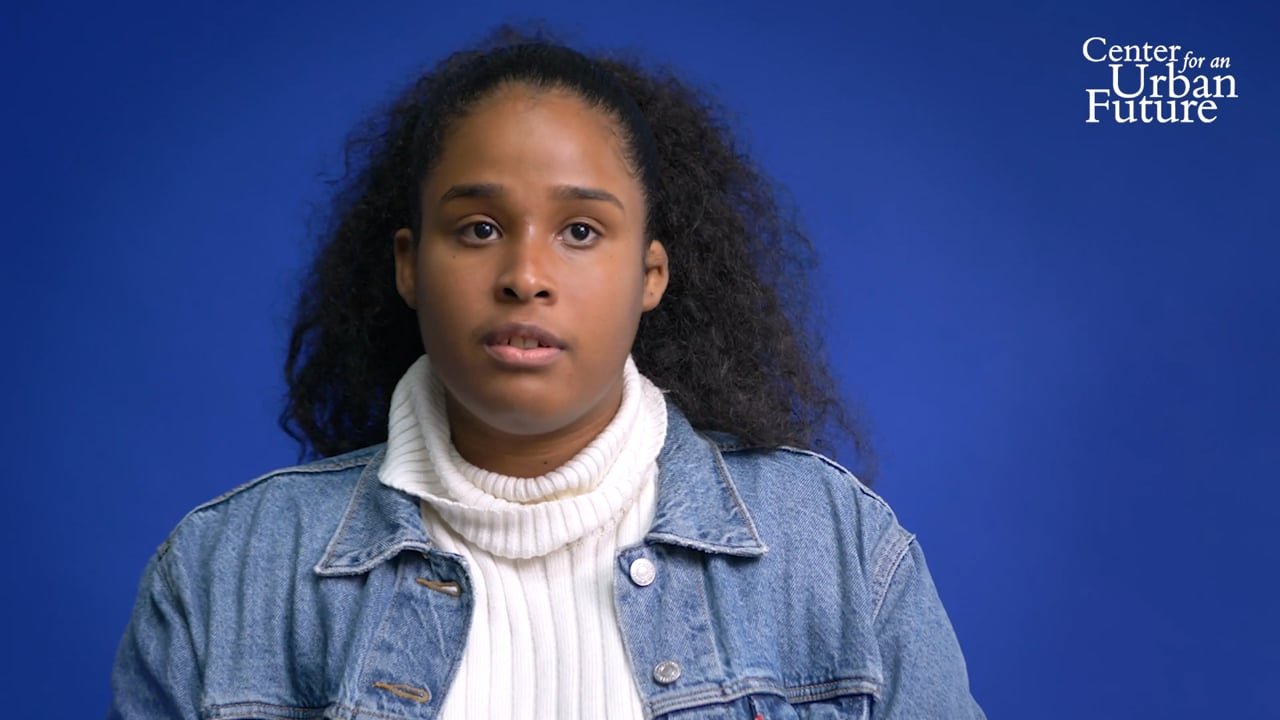
Selected projects by Flywheel Film, the team behind Flywheel Video. These examples show the production approach and scope; filming locations are described only where documented in the case study.
Local production planning
Keep city access and state-land questions separate.
The Alaska DNR lands resource explains its role in commercial-filming inquiries on land it manages. For Juneau, identify the owner of the interview property and the manager of any additional shore, trail, or field location. State guidance is a starting reference, not confirmation for a city building or private workplace. Describe access, equipment staging, and outside activity independently.
Alaska DNR — lands permitting and commercial filming ↗Access, sound,
and the filming day.
If participants arrive from different parts of Southeast Alaska, confirm their actual travel and availability before setting an interview slot. Keep gear loading and a sheltered staging area clear at waterfront or public-facing premises. Check the chosen room for boat, vehicle, and ventilation sound at the likely recording time. Exterior context should have a rain-conscious alternative and a defined role in the edit; optional scenery should not consume the limited window available with the person whose account anchors the film.
Planning example · illustrative brief
A community organization’s story around one interview window
A regional organization needs its Juneau director on camera during a scheduled visit. In this hypothetical plan, the interview is recorded first in a quiet reserved room, with staff arranging a small set of approved workplace activities afterward. A coordinator checks arrival changes without repeatedly resetting the crew’s setup. The questions connect the director’s perspective with what viewers can see locally. An outdoor establishing scene is included only if the location and conditions support it, with a useful interior alternative already identified in the shot list.
From local capture
to final delivery.
We develop the Juneau film from its essential conversation and the activities that support it. Share arrival windows, building contacts and the scenes genuinely available on the day. Our scope can include interview direction, filming, captions and finished edits, with location labels and factual review preserving the context when accounts from different communities appear together.
Your production partner
Build around
your story.
Bring your Juneau project to Flywheel Video. From planning and filming through editing, we shape the production around your story, audience and finished film.
Browse all US production locations
Check current location guidance with the responsible office and property manager. The example above is a planning illustration, not a completed Flywheel project.
Provisional planning guidance
Build the allowance around the confirmed visit.
A director visiting Juneau may have one reliable recording window. Include actual arrival plans, sheltered staging, room sound and approved workplace activity before adding exterior context. Define the film, captions and review process so the provisional scope protects the person’s account instead of relying on scenery or transfers that remain uncertain.
Interview filming
$2,500–$4,500USD planning range
One filming day at one location, with two interviews. Your team supplies the creative direction and handles the edit.
One finished interview film
$5,250–$9,500USD planning range
Creative planning, one filming day, two interviews and one two-minute film. No additional format versions.
A connected film series
$11,750–$21,500USD planning range
Creative planning, two filming days, four interviews, three main films totaling five minutes, plus two straightforward format versions.
Illustrative scopes based on Flywheel’s current estimating guidance. These are provisional planning ranges, not fixed packages, a booking or a final quote. Actual locations, hours, crew, rights and delivery requirements need Flywheel confirmation.
Assumptions and costs to confirm
Planning assumptions
- Starter USD planning allowances are working benchmarks, not a universal industry rate card or a final quote. Flywheel confirms the scope, crew, schedule and commercial terms.
- Creative planning assumes discovery, a story outline, interview themes and basic production preparation.
- Each production day assumes up to eight hours with a two-person interview or corporate production crew and a standard camera, basic lighting and sound package. Specialist equipment, extra crew and overtime need separate review.
- Routine location coordination and ordinary interview preparation are included in the planning and filming allowances; those calculator rows add no separate charge. Location changes can still increase filming time.
- Editing combines a base allowance for each distinct main film plus an allowance for the total finished minutes. The base alone is not the complete editing price.
- An additional version means reframing or a straightforward shorter cut from the approved main film. New concepts, languages, major restructuring or extensive graphics need separate review.
- Editing assumes two consolidated rounds of client feedback. Final review rounds, media handoff, source files, storage and licensing must be defined in the agreed scope.
- All visitor quantities are working assumptions. Unknown scope, complex requirements or specialist review terms can prevent an automatic numerical estimate.
Exclusions unless agreed in scope
- Travel and accommodation unless expressly included.
- Location fees, permits, talent and usage rights unless expressly included.
- Stock, music, third-party licenses and taxes unless expressly included.
- Specialist equipment, additional languages, animation, visual effects, broadcast and unusual access requirements unless expressly included.
- Additional filming, changed creative direction and new deliverables outside the confirmed scope.
Build a brief for your estimate
Compare these scopes with our production budget guide. Share your exact addresses, access arrangements and finished-video requirements so a producer can review the complete estimate.
Questions, answered
Plan your Juneau
production.
Resolve the location, capture and delivery questions before the filming day.
Who should review a Juneau shore or field sequence?
Identify the manager of each actual property, including the interview building and additional shore, trail or field setting. Alaska DNR guidance applies to land it manages. Describe staging and outside activity separately rather than assuming a state reference confirms access to city or private premises.
How should travel changes affect the interview schedule?
Confirm participants’ actual arrival and available window, with a coordinator handling changes. Prepare the quiet room and equipment access so the essential conversation can happen first. Avoid repeatedly resetting the crew or making the recording depend on a long optional exterior sequence during the director’s visit.
What should a waterfront premises contact check for sound?
Listen for boats, vehicles and ventilation near the planned recording time, and identify sheltered equipment staging. Reserve a controlled room before choosing a view. An exterior can still supply context, but should have its own purpose and rain-conscious alternative rather than determine whether the main dialogue is usable.
What images can support a director’s program account?
Choose approved staff activity that makes specific interview points visible, with participation and access arranged through the organization. Identify historical or factual references needing review. Name finished versions and captions so the scope follows the story and publication needs instead of gathering unrelated regional imagery.
Let’s plan your Juneau production.
Prefer to talk? Call 646-420-3668