Event Video Production
Make a plan
for the moments that matter.
Scope event filming around the agenda, audience and content you need afterward. Discuss session coverage, on-site interviews and edited highlights in one brief.
Work backward
from the finished content.
Start by separating the material you must capture from the material you hope to include. List sessions, speakers, interview opportunities and the moments that cannot be repeated.
We can define camera, sound and editing requirements around that list. Clarify whether the project needs continuous session recordings, a highlights film, interviews or footage for your own editors.
Define your scope
- Agenda and essential coverage priorities
- Speaker and session recording requirements
- On-site interviews and supporting event footage
- Venue access, camera positions and audio coordination
- Highlight edits or organized footage delivery as scoped
Plan the details
Bring the venue
into the conversation.
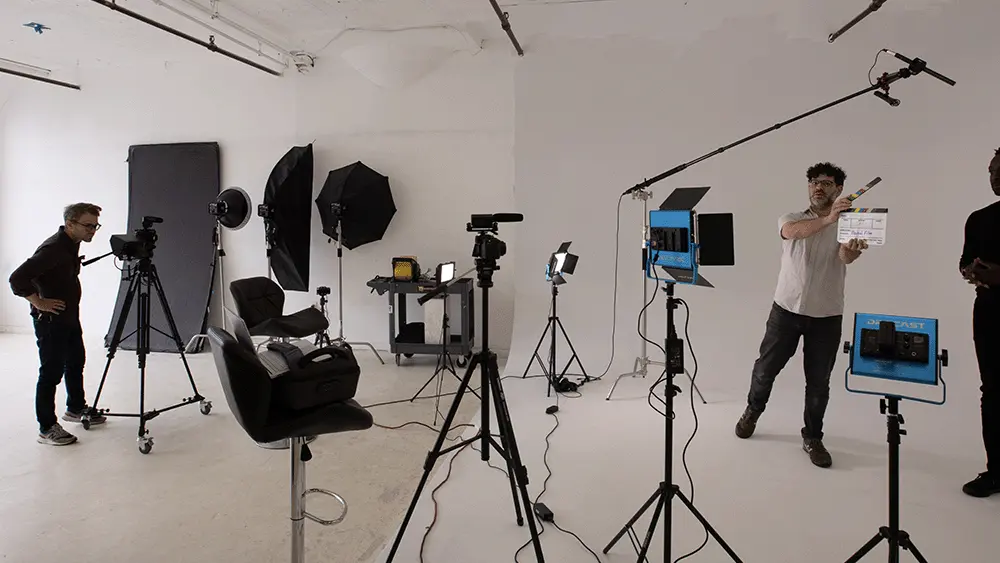
Share the schedule, room layout and event production contacts. Confirm where cameras can operate and how the crew can coordinate with the venue’s audio and presentation teams.
Define the intended audience for each deliverable and any fixed publishing deadline. Discuss simultaneous sessions, access restrictions and setup windows before finalizing the production plan.
Relevant work from Flywheel Film
Experience behind
the conversation.
For a launch-film example from Flywheel Film’s portfolio, the Undock case study describes creating a launch video in collaboration with the client’s animators and editors. For an event that needs both a launch film and on-site capture, define those deliverables separately in the brief.
Related sources: Undock launch video
Separate the recording plan from the edit plan.
A complete session recording and a highlights film need different coverage. Identify what must be preserved continuously, where interviews can happen and which moments need visual context. Share the run of show, including overlapping rooms and any schedule changes already anticipated.
- Mark the sessions and people with essential coverage.
- Identify venue audio, presentation and event-production contacts.
- Describe access, setup windows and available camera positions.
- List session edits, highlights, interviews or footage handoffs separately.
Ask the proposal to explain how footage, presentation materials, sound and graphics will become each deliverable. Include publication timing and stakeholder review in that plan.
A prerecorded film can also be part of an event brief. Flywheel Film’s Undock launch film is an example of launch-content production; on-site recording needs its own coverage scope.
Before the shoot
Questions to settle before production
Does recording a session include a highlights edit?
Specify both if you need both. A continuous recording and a selective highlights story have different coverage, editorial and finishing requirements.
How do we plan simultaneous sessions?
Share the room schedule and priority sessions. The proposal should account for overlapping coverage, camera positions, sound feeds and the people needed to operate the agreed setup.
Can you coordinate with the venue’s AV team?
Include the venue and AV contacts in planning. Confirm audio access, presentation materials and setup responsibilities together before the filming plan is finalized.
Let’s plan your next production.
Prefer to talk? Call 646-420-3668